

Member Exclusive: Flex work not working? It might be the way you frame it.
Managers question the policy when flex work is framed as a perk for parents
By Mike Prokopeak, director of Council learning, community and content
Remote work is getting a bad rap from bosses. Rather than seeing it as a legitimate boost to productivity and a boon to employee wellness, managers often look down on the practice and label remote workers as slackers, non-team players and lacking the fire to get ahead.
That's at least the case when flexible work is framed as a perk for working parents, according to a study of 473 managers. The full study, conducted by researchers at King's College Business School in London and the National University of Singapore and published in the journal "Gender, Work & Organization," is attached at the end of this article.
Studies have shown that workers who have flexible remote options are productive and report higher levels of well-being, so what's the problem? It has to do with the way it's communicated.
Manager bias drives perceptions of flexible work
When flexible work is positioned as a policy primarily to benefit parents, it can act as a signal to managers that they can expect lower productivity. The study's findings backed this up, showing significantly worse managerial perceptions for parents.
To be clear, all remote workers suffer from this perception, not just parents. The study showed that compared with employees who worked a standard full-time schedule, employees who worked remote for 2–3 days per week have significantly lower manager ratings for commitment, productivity, team spirit, and promotion opportunities.
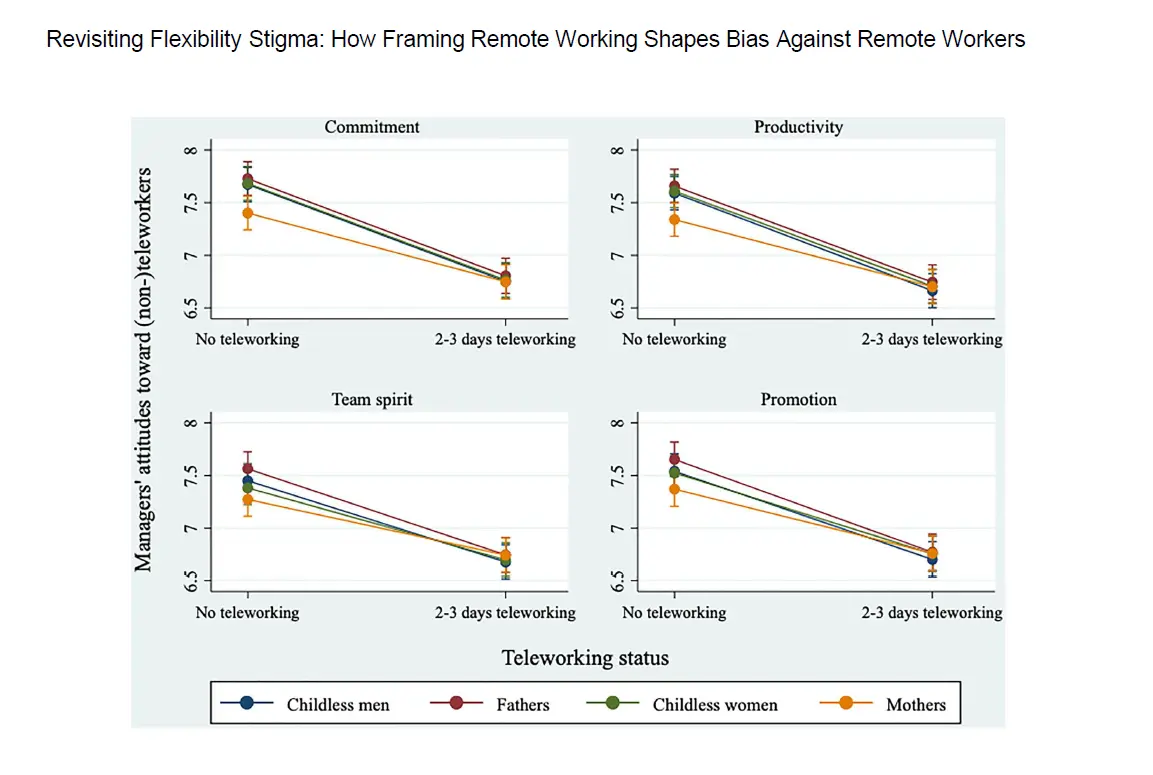
But for parents, mothers and fathers alike, the effects of remote working are more significant. For fathers, the negative effects are even more pronounced, according to researchers, because managers already have a negative view of working moms.
The communicators' conundrum
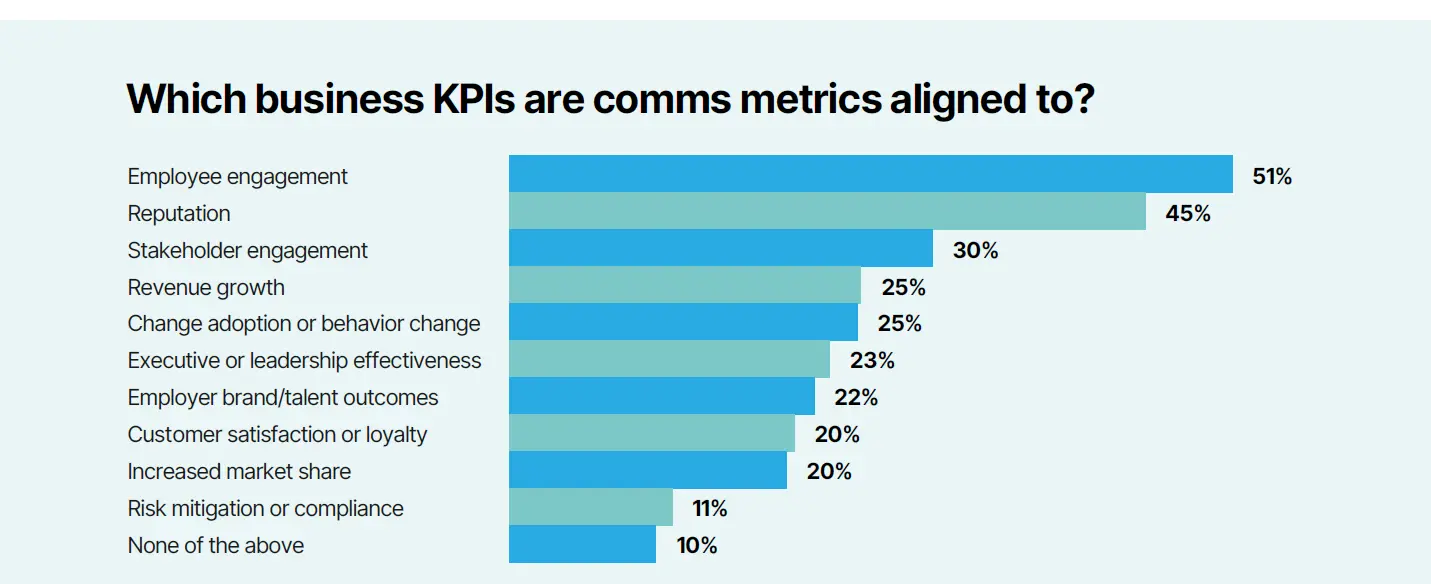
All of which raises a red flag for communicators. According to Ragan's 2026 Comms Benchmark Report, employee engagement is the organizational key performance indicator (KPI) that communicators are most likely to align their communications efforts to, cited by more than half of the 800+ respondents of the global survey.
Flexibility in work arrangements correlates with higher engagement and lower likelihood that workers will quit. O.C. Tanner, an employee recognition software company, found that a policy of equitable flexibility is significantly more likely to lead employees to stay - 679% more likely to stay another year to be exact.
The bottom line is that challenges with remote and flex working may very well be a communications problem. Positioning flexible working policy as a benefit for all, rather than a perk for working parents, encourages everyone to take advantage of the benefit and pushes managers to think differently about how it's applied.
For more on remote-first work practices that can build trust and engagement, check out this report in the Member Library.