
Member exclusive: What BNSF Railway learned about communicating during labor negotiations
By Justin Joffe, editor-in-chief, Ragan Communications
~
This Labor Day arrives amid a Hollywood writers’ and actors’ strike, while the United Auto Workers union approving a strike if its calls for higher wages and a four-day work week are not met. Worker relations across industries are so tenuous that the U.S. Treasury Department released a first-of-its-kind report earlier this week, written by the Department’s Office of Economic Policy, that explains how unions play an important role in addressing the myriad of challenges facing the American middle class. This fact sheet goes deeper into the findings, including how the benefits of unionization will spillover to non-union workers, too, contributing to overall economic growth and resilience.
What does this mean for comms pros? Last month, Ragan Content Director Jess Zafarris wrote a thoughtful piece on how communicators should respond to, and prepare for, employee unionization efforts that’s worth a read.
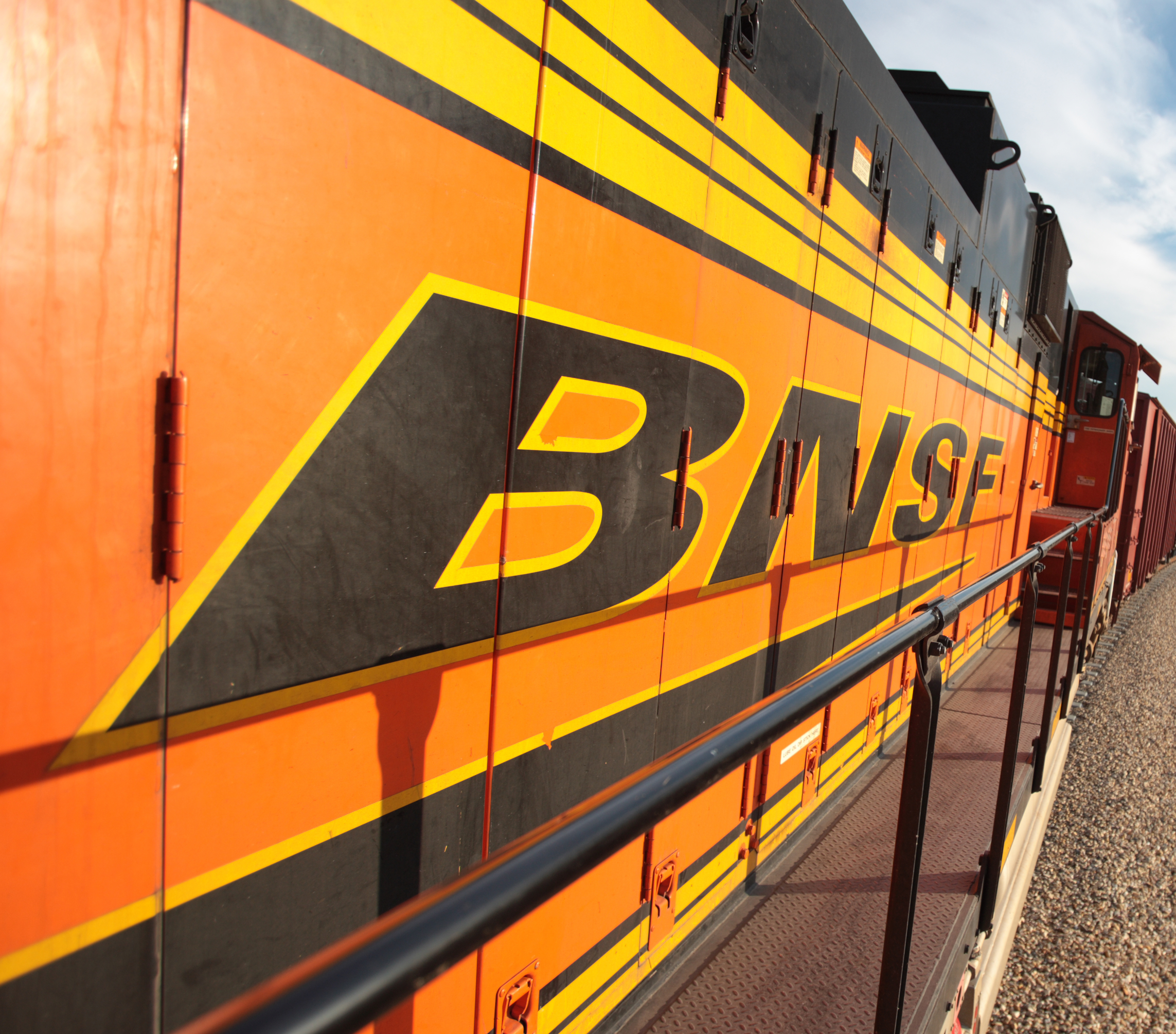
Earlier this year, CLC member Jason Lamers, the general director of internal communications and engagement at BNSF Railway, walked members through what he learned about protecting brand and culture during labor negotiations. The railway is governed by the Railway Labor Act, which means that they can’t have a strike that disrupts the nation’s rail network.
When it’s time for renewal, there is a substantial collective bargaining agreement process that involves negotiations with 12 unions. Agreements don’t expire, but generally have reopener dates every five years. If there is a disagreement when it’s time to renew, the agreement stays in place until a new one is negotiated. This means that employees in those negotiations don’t see compensation improvement during the process, creating a new sense of urgency.
These negotiations started in 2019 and took two years to complete. Agreements were settled just before the holidays when Congress stepped in to help ratify them. Employees would have had the legal right to strike and walk off work by that point, but a strike was narrowly averted with congressional intervention.
Lamers was frank about the challenges BSNF faced last year, which included historical supply chain challenges, competitive pressures, labor market challenges and an ongoing conversation about single-person crews.
“Some felt targeted,” explained Lamers. “Those who might be a conductor… who are looking at their job (and thinking) ‘I’m gonna have my job repurposed,’ that’s hard sometimes, of course, anyone can feel that. Overall, the morale was challenged.”
No silver bullets
Lamers quickly learned that are no silver bullets to union comms, which goes back to being a practitioner and remembering no one is an expert in this. “The unions, I will say, had a very simple message: ‘I’m not paid enough, I work hard for this nation’ and those kinds of things. But it’s extremely complex.”
BNSF employees have paid time off, but contrary information was widely circulated in the media among YouTubers, social media influencers and others, creating a false narrative around the railway that was challenging to correct.
Some employees are actively engaged, while others are unplugged and difficult to reach—managers and supervisors have been a focus for the internal comms team to work at repairing this, but it remains an opportunity.
A disconnect between union leaders and members meant that some of what leaders bargained for was different from what members wanted. Another disconnect existed between salaried team members and those represented by the unions.
Communicating with empathy for your audience
Managing through all this chaos was made easier by leading with empathy. “We focused on unity, what unites us and the purpose of running this railroad for the benefit of our communities and the nation that we love,” Lamers said. “We focused on our goals, our audiences and objectives. It’s very easy to be pulled down in the mire with all that.”
Focusing on those audiences meant streamlining the message for employees, customers, regulators and those on Capitol hill. The goals were safety and continuity of BNSF’s essential service. The objective was to control wat it can control to mitigate uncertainty while protecting brand and culture.
“If people were fearful, if they felt backed into a corner, that’s when they make mistakes,” said Lamers. “And when you make mistakes on the railroad, you lose a hand or an arm. So it’s extremely important that everyone’s focused.”
Mitigating uncertainty and building trust
Mitigating fear and uncertainty meant communicating as a united front. The team built a website to communicate a single source of truth across the industry that was delivered consistently to all audiences.
A focus on celebrating employees through the BNSF Connect app provided an excellent touchpoint for building trust. This effort was about “just really trying to recognize good people doing good things throughout this process,” Lamers said.
The railway also encouraged two-way engagement through its AskBNSF tool, which empowers employees to ask questions and share concerns. This proved a valuable avenue for active listening and also helped strengthen trust. “It’s a great source of intel, what people are concerned about,” said Lamers.
Preparing for the worst
BNSF came so close to a strike that it had to prepare for a worst-case scenario, because stopping the rails is not as simple as people walking off a train — it’s a week-and-a-half process to start winding down. “You can’t just have a train full of chlorine out there sitting in a desert somewhere,” said Lamers. Instead, they had to have a process in place and ramp up for it every time.
“It’s a good thing that we didn’t have to use those plans,” he continued, “but we were there and ready to go.”
Check out Lamers’ full presentation, which begins at the 38:40 mark, here: