

Member Resource: Power Design's guide to impactful employee recognition
An inside look at how the Florida-based design firm makes employee recognition a core pillar of its communication strategy.
By Mike Prokopeak, director of learning and council content
Employee recognition is exclusively an HR function in many organizations. Communications teams often play a supporting role, spreading the happy news and sharing the stories of those who receive recognition.
At Power Design, the communications team has taken ownership of employee recognition and rewards and is making it central to the company's culture-building efforts, said Jenna Greco, director of communications and culture. The privately held Florida-based company has 2,850 employees who provide electrical, plumbing and mechanical design services across 25 states, primarily in the south and southwestern U.S. Greco's culture team includes communications, events and wellness in addition to recognition and rewards.
Power Design has a number of traditional recognition programs, Greco told an audience of communicators at the Ragan Communications Leadership Council Spring Retreat in May, but the comms team is using their integrated approach to culture to design employee recognition programs in a way that doesn't just celebrate employees for their contributions, but also drives behavior change and impacts business results.
Employees are 2.7 times more likely to be engaged when they believe they will be recognized. In addition, organizations with recognition programs typically see a 31% reduction in voluntary turnover and are 12-times more likely to have strong business outcomes.
Applying Communications Principles to Employee Recognition
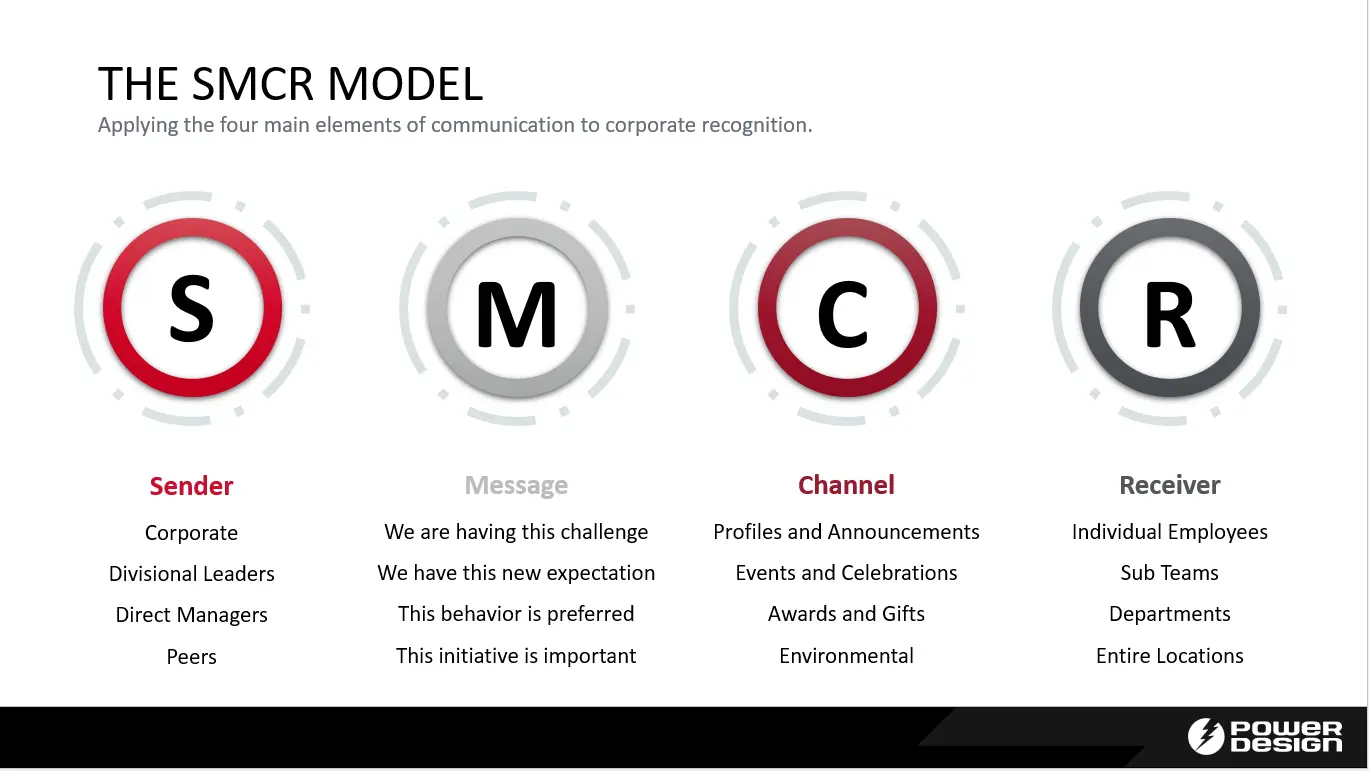
To make this happen, Power Design applies communications principles to employee recognition, including the SMCR Model. Like they do for communications initiatives, Power Design's culture team defines the Sender, Message, Channel and Receiver for each recognition program.
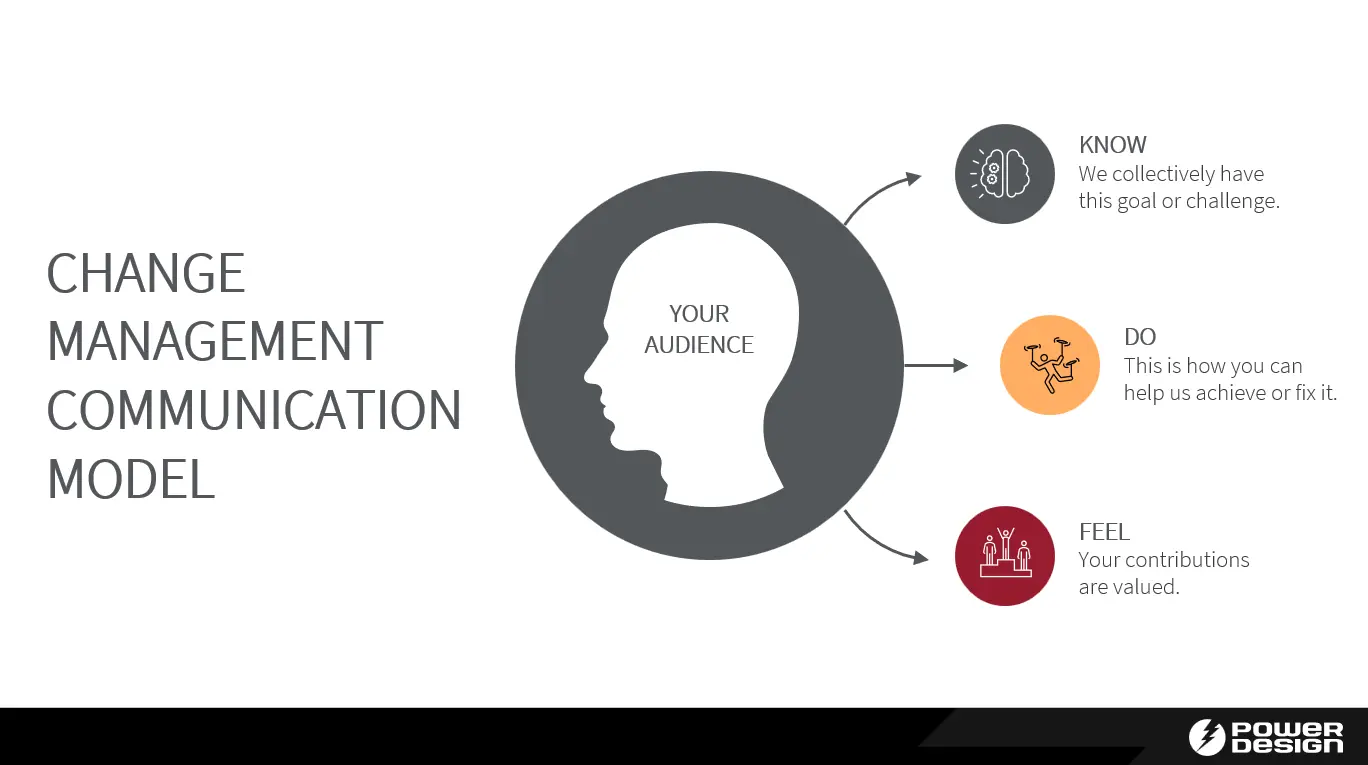
Power Design also runs each program through another filter to apply change management principles. The Know, Do, Feel change management communication model ensures that every message related to the recognition programs has clearly defined objectives and outcomes.
Applying these principles has helped Power Design's culture team define four key components of an employee recognition program that drives results:
- It addresses a business challenge or opportunity.
- It incentives a desired business result.
- It targets a specific audience.
- It provides real-time recognition, not just after completion of a project.
Anatomy of a Recognition Program
Those four principles then need to be applied in practice to a recognition program. Greco laid out nine fundamental details that communicators need to get right:
- Background and objectives: How did the team get here and what challenge are they trying to solve? Using change management principles, what do they want the audience to Know, Do, Feel?
- Program overview: How does the program work at a high level? What are the key elements?
- Roles and responsibilities: Who is responsible for what? Include program managers and stakeholders.
- Audience and eligibility: Who is the target audience and are there any exceptions? Who has visibility into the program?
- How it works: How will they be recognizing and rewarding success? What other elements are involved?
- Timing and cadence: How often does this occur?
- Budget: What is the annual budget and how is it allocated? Ensure this is tied to business outcomes.
- Measuring success: What are the SMART goals and how are they being tracked? What reporting needs to be shared and with whom?
- Seeking feedback: How and when will feedback be gathered and from whom? What will be done with feedback and how can programs be adjusted to make recognition resonate better?
Inside Power Design's Crushed It Program
To illustrate how this worked in practice, Greco shared details about Power Design's "Crushed It" recognition program.
The program started in 2016 to address inconsistent project quality across regions of the country and to find a universal way to measure project success.
The desired outcomes are to improve safety at job sites, increase customer satisfaction and stay within the defined project budget, Greco said. The target audience for the recognition program are project team members in the field as well as any support staff in the corporate office.
The components of the recognition program include:
- Traditional communications: This includes recognition via a feature in the company magazine, quarterly recognition announcements and other callouts.
- Events and celebrations: The team also built in opportunities to engage in quarterly breakfasts and fun activities as well as the giveaway of a branded Crushed It truck to a field team member.
- Awards and gifts: Members of successful teams also receive a baseball-style project card, along with credits to apply to the company swag store and for special Crushed It apparel.
- Environmental incentives: Winners also get to takeover the company's digital display system, and sound a companywide bell before playing the team's theme song.
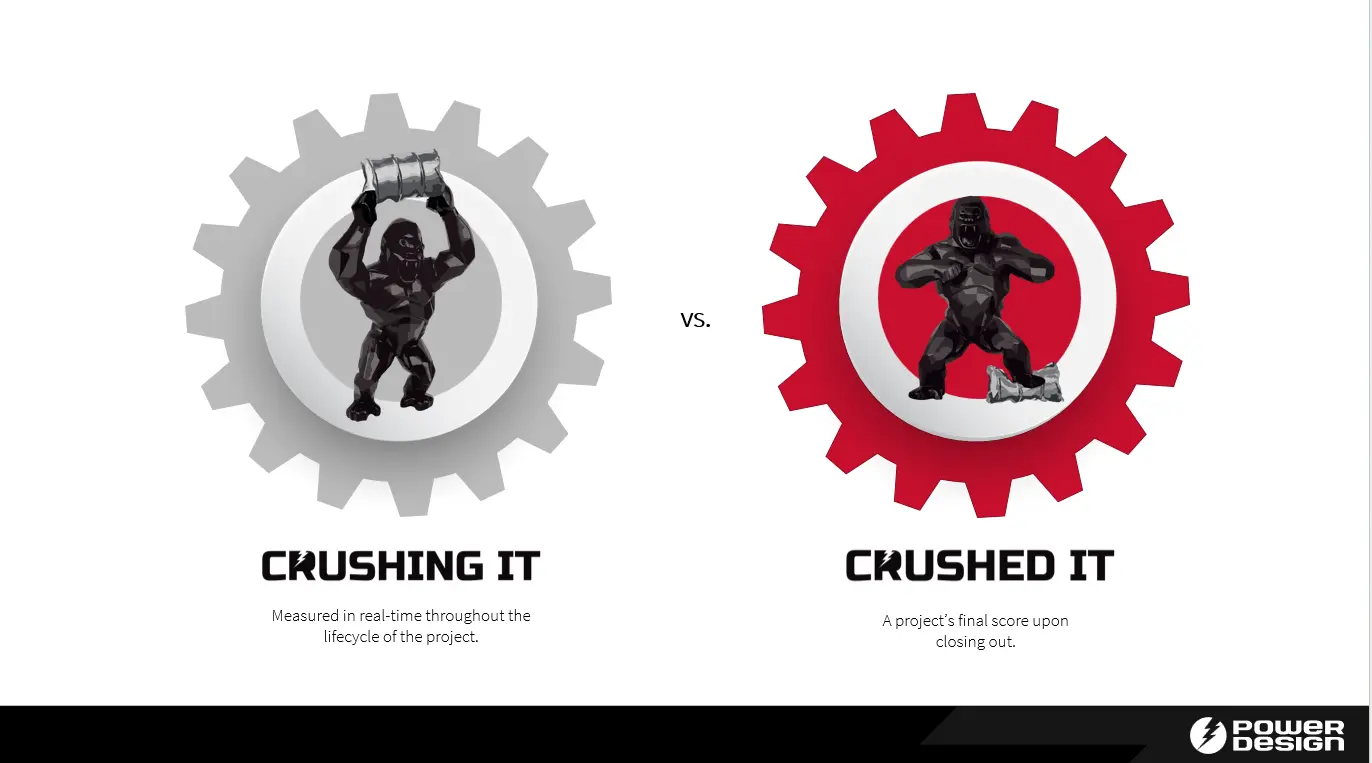 To fulfill the goal of delivering real-time recognition, Power Design's culture team created two recognition phases: Crushing It to recognize movement in the team's real-time project score, and Crushed It to recognize the final project score in the end.
Recognition is also aligned across the company’s nine regions. This was a key insight, Greco said. If there’s an opportunity to align employee recognition programs with organizational structure, the C-suite will see the programs as more valuable.
Has the program improved business results? According to Greco, the results have been dramatic. In 2017, only 37% of Power Design projects were achieving defined outcomes. That number reached 83% in 2022, 88% in 2023 and 89% in 2024 so far.
Have a story to share about how your communications team has crushed it in your organization? Send me an email at [email protected].